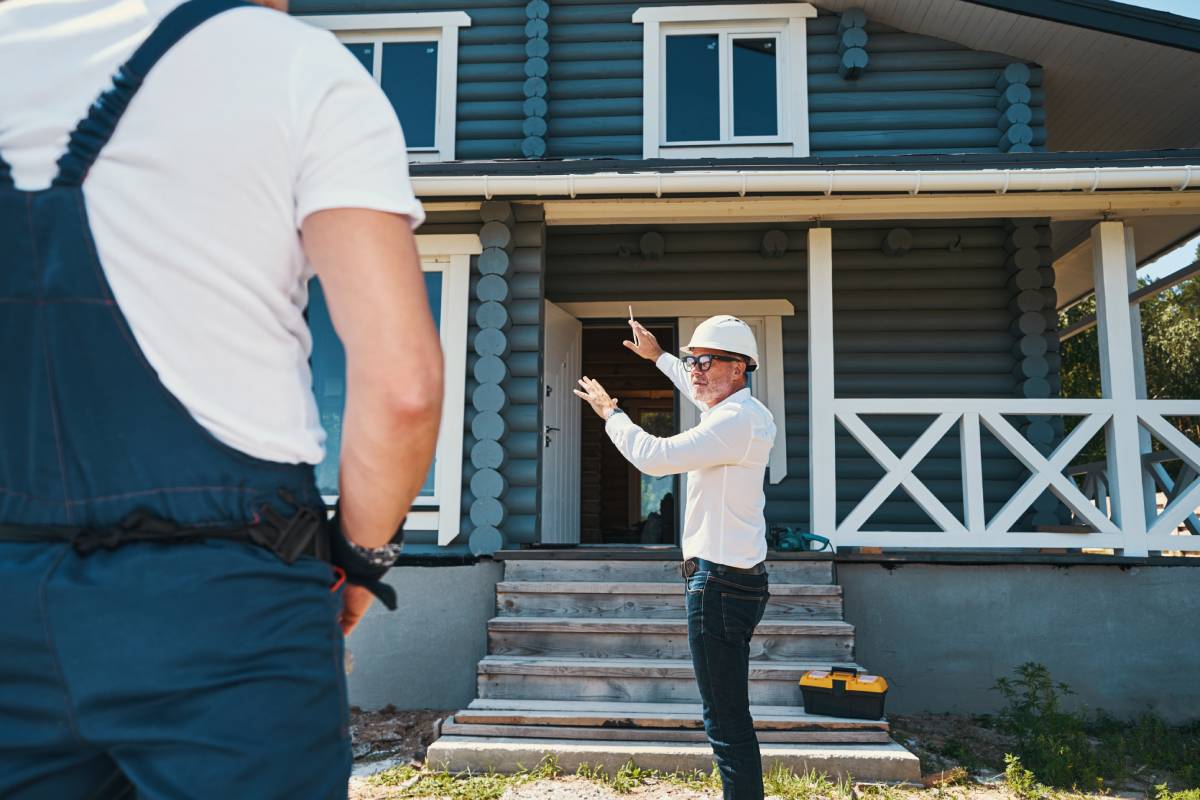


Purchasing or selling a property is one of the most significant financial decisions most people will make. Conducting a thorough home inspection is critical to ensure the right investment. A home inspection in Montreal provides buyers and sellers with essential information about the property’s condition, highlighting potential problems that require immediate attention or repair. This process helps avoid unpleasant surprises post-purchase and empowers buyers to negotiate based on the inspection results.
If you’re in Montreal, Canada, how much does a home inspection cost, and what does the process entail? This guide will walk you through everything you need to know about home inspection costs in Montreal, including the factors influencing pricing, the types of inspections available, and how to choose the right home inspector. By the end, you’ll understand what to expect when hiring a professional home inspector and why it’s a worthwhile investment.
The average home inspection cost in Montreal typically ranges from $300 to $1,500, depending on the property’s type, size, age, and condition, as well as whether additional services such as mold, radon, or asbestos testing, thermal Imaging, or a sewer camera inspection are needed. Condos are usually the most affordable to inspect, while single-family homes, duplexes, triplexes, and multi-unit buildings generally cost more because they require more time and detail.
Factors That Affect Home Inspection Costs in Montreal
The cost of a home inspection can vary widely depending on several critical factors, including the property’s size, the type of property being inspected, and whether any additional services are requested. Understanding these factors will give you a clearer sense of what to budget for when considering a home inspection.
 Size of the Property
- Larger homes naturally require more inspection time, directly impacting the price. Inspectors need to examine every area of the property, from the roof to the basement, and more significant properties tend to have more systems and features to assess. For example, a 3,000-square-foot home will typically cost more to inspect than a 1,000-square-foot condo. This is because inspectors spend more time evaluating larger areas, such as attics, garages, and outdoor spaces.
- Type of Property
- The type of property you’re having inspected will also play a significant role in determining the cost. Condos tend to have fewer systems (for example, they may share heating and roofing with other units) and are generally less complex to inspect, leading to lower costs. On the other hand, single-family homes, duplexes, and multi-unit buildings have more systems (such as individual HVAC units or more extensive plumbing) that require a more detailed inspection.
- Age of the Property
- Older homes often require more attention during an inspection due to potential wear and tear on crucial systems like electrical wiring, plumbing, roofing, and the foundation. For example, homes built in the 1950s or earlier may have outdated electrical systems that could pose safety risks. Older homes may also have been built with materials or construction techniques that no longer meet modern building codes. Inspectors typically spend more time on these homes, which can drive up the cost.
- Condition of the Property
- Properties in poor condition or that require regular maintenance may also take longer to inspect. If the inspector has to address deferred maintenance or visible damage in parts of the home, they may need to examine specific areas more closely. This could extend the time required for the inspection and result in higher costs.
- Inspector’s Experience and Certifications
- Like any service, the experience and reputation of the home inspector can affect pricing. A highly skilled inspector with certifications from organizations such as the Association des professionnels de la construction et de l’habitation du Québec (APCHQ), the OACIQ (Organisme d’autoréglementation du courtage immobilier du Québec), or the AIBQ (Association des inspecteurs en bâtiments du Québec) may charge more due to their expertise. It’s worth paying for a more experienced professional, as they’ll be able to identify subtle issues that an inexperienced inspector might miss.
- Additional Inspection Services
- Beyond the primary inspection, you may want to add specialized inspections for problems such as mold, radon, asbestos, or termites. Each of these additional services typically comes with an extra fee. While these services aren’t always necessary, they can provide added peace of mind, especially in areas or homes where these issues are more common.
Typical Home Inspection Costs in Montreal
Here’s a general breakdown of what you can expect to pay for a home inspection in Montreal:
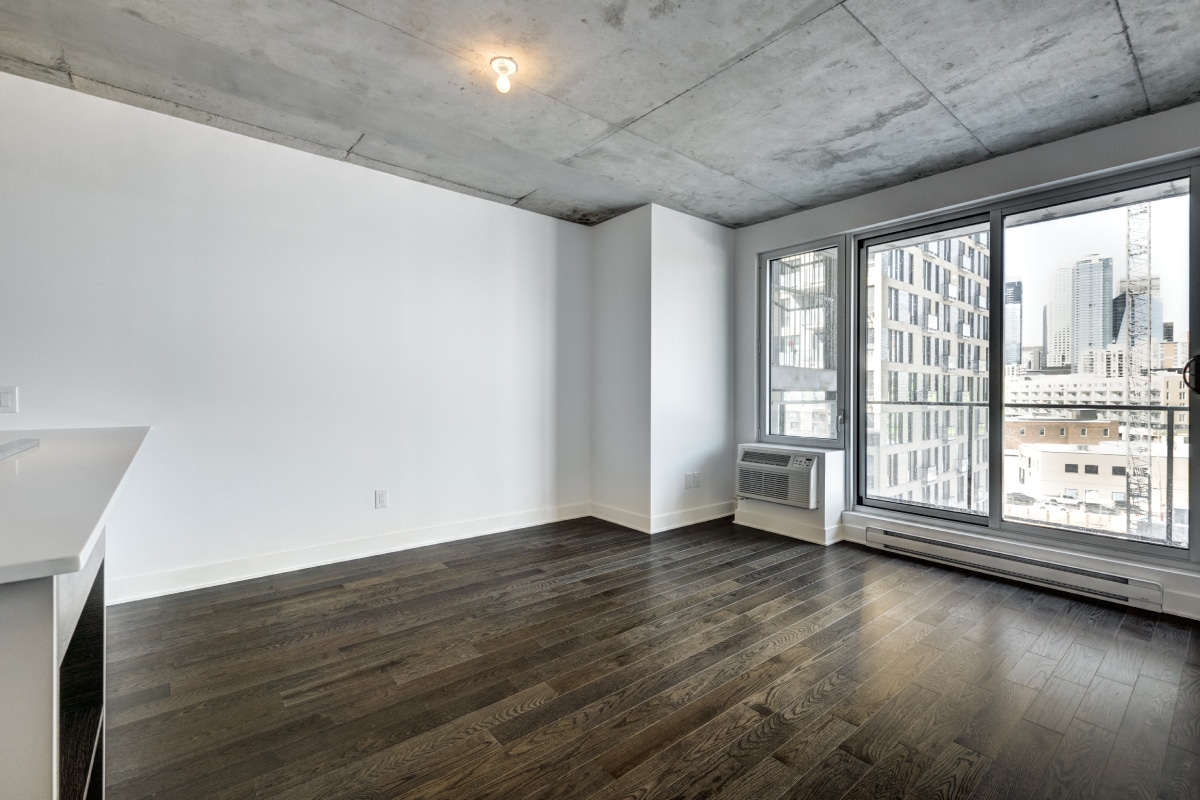
Condos: $300 – $500
A condo inspection is usually less expensive because there are fewer systems to inspect. Condos don’t have private roofs or basements, which means less work for the inspector. For example, in a standard condo inspection, an inspector may only need to evaluate the condition of the windows, electrical systems, plumbing, and HVAC.
Townhouses: $400 – $600
Townhouses are generally more complex than condos, which makes inspections more time-consuming and expensive. They may have private roofs, basements, or exterior walls that must be checked for structural integrity, leaks, or mold.
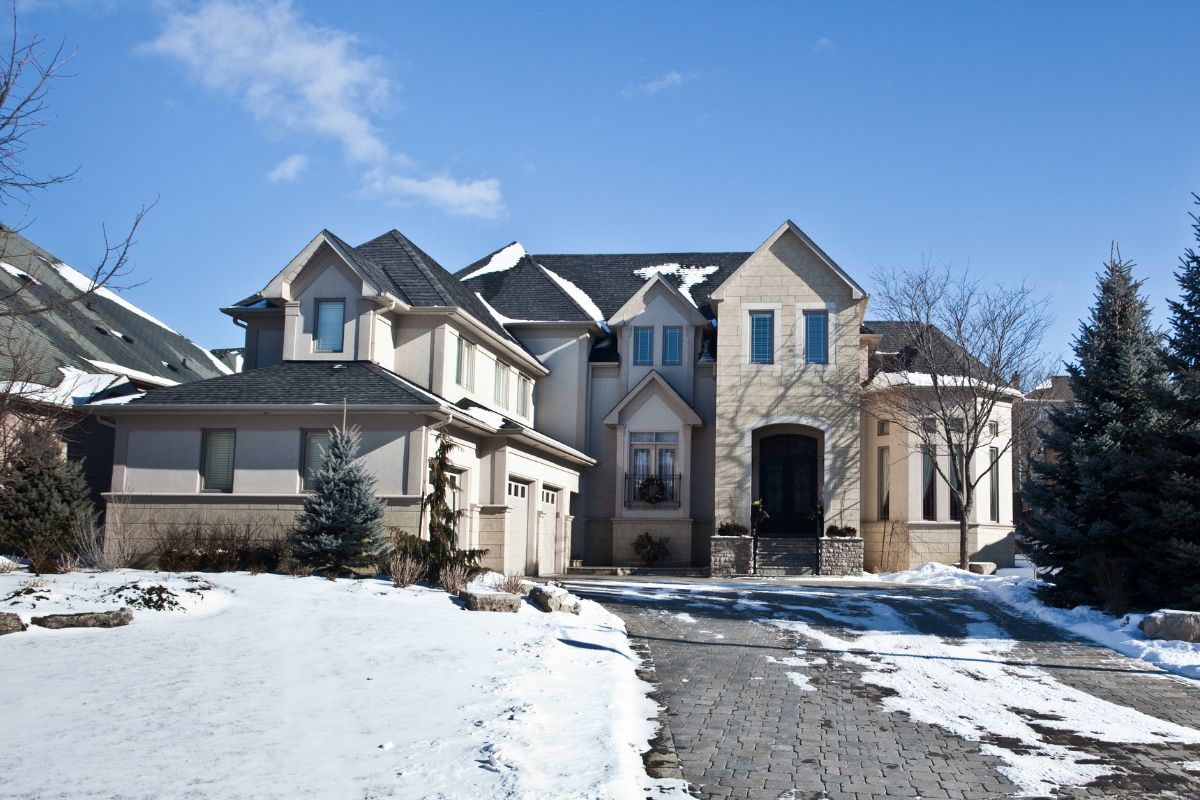
Single-Family Homes: $500 – $1,000
Single-family homes are the most comprehensive to inspect, especially if they have large yards, attics, or other additional spaces. Expect to pay more for older homes or those that have multiple floors.
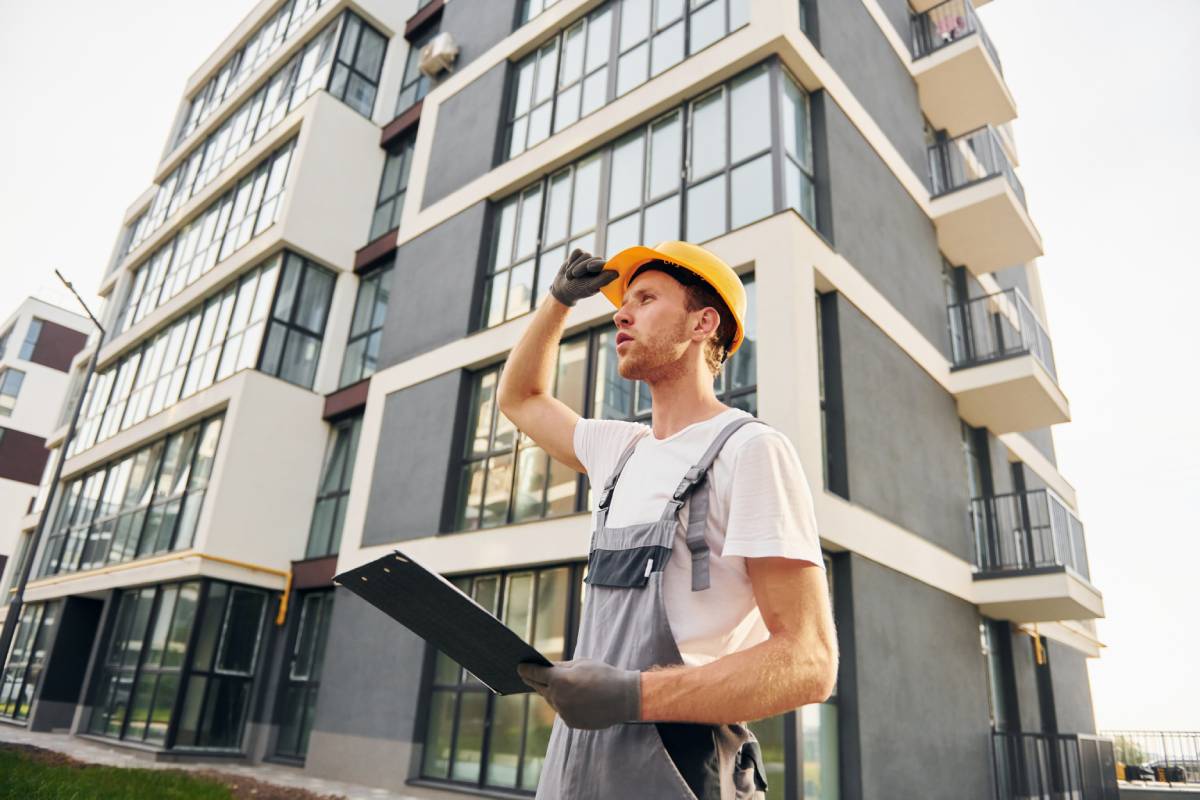
Multi-Unit Buildings: $800 – $1,500+
Inspections of duplexes, triplexes, or larger apartment buildings take considerably more time because each unit must be inspected separately. In addition to checking each living space, the inspector will need to evaluate shared systems, such as the roofing, plumbing, and electrical systems.
What is Included in a Typical Home Inspection?
A comprehensive home inspection will cover the following areas of a property:
 Structural Integrity
- The foundation, walls, ceilings, and roof are all checked for signs of wear, water damage, and cracks that could indicate structural problems. Inspectors look for uneven floors, signs of sagging, or other visible defects that may compromise the building’s stability during structural inspection.
- Roof and Gutters
- Inspectors will examine the roof to determine whether the shingles are in good condition, whether there are any leaks, and whether the gutters and downspouts are functioning correctly. Older roofs can be a major source of future repair costs, so this inspection part is critical.
- Plumbing Systems
- Water pressure, drainage, and the condition of visible pipes are all evaluated during a home inspection. During the plumbing home inspection, the inspector will also check for any signs of leaks, corrosion, or damage to water heaters, faucets, and toilets.
- Electrical Systems
- Electrical safety is one of the most important aspects of a home inspection. The inspector will evaluate the electrical panels, wiring, outlets, and light fixtures to ensure everything is up to code. Any outdated or faulty wiring can pose a fire hazard, so this part of the inspection is crucial.
- HVAC (Heating, Ventilation, and Air Conditioning)
- The inspector will check the functionality of the heating and cooling systems to ensure they are working correctly and efficiently. This includes inspecting the furnace, air conditioner, and ventilation systems.
- Windows and Doors
- The inspector will check all windows and doors to ensure they are correctly sealed and functional. Drafty or broken seals can increase energy costs over time.
- Interior Spaces
- The overall condition of walls, floors, ceilings, and any built-in features (like cabinetry or shelving) will be evaluated for damage, wear, and tear during the Interior home inspection.
- Basements, Attics, and Crawlspaces
- Inspectors carefully examine basements, attics, and crawlspaces for signs of water damage, mold, poor insulation, or pest infestations.
- Exterior Elements
- Exterior elements inspection includes siding, fences, decks, patios, and any other exterior structures. Inspectors will check for damage, rot, or improper installation.
Additional Inspection Services and Their Costs
Some properties may require specialized inspections that go beyond the standard scope. These services provide additional information on potential issues that aren’t always visible during a general home inspection:
 Mold Inspection: $250 – $450
Mold can be a significant health hazard, especially for those with allergies or respiratory conditions. Mold inspections involve air quality testing and checking for moisture issues in basements and bathrooms.
Radon Testing: $200 – $300
Radon is a radioactive gas that can accumulate in basements and is a known carcinogen. Radon testing is recommended for older homes or homes in areas with a history of high radon levels.
Asbestos Testing: $300 – $500
Older homes, particularly those built before the 1980s, may have asbestos in insulation, flooring, or roofing materials. An asbestos inspection is essential if you suspect the presence of this hazardous material.
Thermal Imaging: $150 – $300
Thermal Imaging can detect hidden issues such as water leaks, insulation problems, and electrical hotspots by identifying heat signatures. This is especially useful in detecting problems that aren’t visible to the naked eye.
Sewer Scope Inspection: $200 – $400
Inspectors use a camera to check the condition of the sewer lines, which can reveal blockages or damage caused by tree roots or corrosion.
Choosing the Right Home Inspector in Montreal
When choosing a home inspector in Montreal, several important factors should guide your decision-making process. The right inspector will provide a detailed, accurate report on the property’s condition, helping you make an informed decision.
 Certifications and Licensing
- Ensure the inspector is certified by a recognized professional body, such as the ACPHQ, AIBQ, or OACIQ. Having Certifications and Licensing ensures adherence to industry standards and guidelines.
- Experience
- Opt for an inspector with several years of experience, especially in inspecting the type of property you are purchasing. Experienced inspectors are more likely to notice subtle issues that others might overlook.
- Reputation
- Read online reviews, ask for referrals, and speak to past clients to gauge the inspector’s reliability and thoroughness. A good reputation is a strong indicator of quality service.
- Sample Report
- Request a sample report from the inspector to ensure it’s detailed, easy to understand, and includes recommendations for addressing problems.
FAQs:
1. How Much Does A Home Inspection Cost In Montreal, Canada?
The cost of a home inspection in Montreal usually depends on the property’s size, age, type, and condition. Condos are generally less expensive to inspect, while larger homes, duplexes, triplexes, and older properties may cost more because they require a more detailed review.
2. Why Do Home Inspection Prices Vary In Montreal?
Home inspection prices vary because every property is different. Factors such as square footage, property age, number of systems, accessibility, foundation type, roof condition, and whether extra services are needed can all affect the final inspection cost.
3. How Much Does A Condo Inspection Cost In Montreal?
A condo inspection in Montreal is usually more affordable than a full house inspection because the inspector typically reviews the interior unit, visible systems, safety concerns, and accessible components. The condo association may manage the exterior structure and common areas.
4. How Much Does A Single-Family Home Inspection Cost In Montreal?
A single-family home inspection usually costs more than a condo inspection because the inspector must evaluate more areas, including the roof, attic, basement, foundation, plumbing, electrical, and heating systems, cooling system, exterior and interior, and drainage conditions.
5. Are Older Homes More Expensive To Inspect?
Older homes may cost more to inspect because they often require additional time and attention. Older properties may have outdated electrical systems, aging plumbing, foundation movement, roof wear, insulation issues, moisture concerns, or past repairs that need careful review.
6. What Is Included In A Standard Home Inspection?
A standard home inspection usually includes a visual review of the major accessible systems and components of the property. This may include the roof, structure, foundation, plumbing, electrical system, heating and cooling systems, insulation, ventilation, windows, doors, interior rooms, exterior surfaces, attic, basement, and crawlspace when accessible.
7. Are Mold, Radon, Asbestos, Or Sewer Inspections Included?
Specialized inspections such as mold, radon, and asbestos testing, thermal imaging, and sewer camera inspections are usually not included in a basic home inspection. These services may be offered separately depending on the property condition and the buyer’s concerns.
8. How Long Does A Home Inspection Take?
A typical home inspection may take a few hours, depending on the property’s size and condition. Smaller condos may take less time, while larger homes, older properties, or multi-unit buildings may require a longer and more detailed inspection.
9. Is A Home Inspection Worth The Cost?
Yes, a home inspection is usually worth the cost because it helps buyers understand the property’s actual condition before making a major financial decision. An inspection may reveal safety concerns, hidden defects, repair needs, moisture problems, or maintenance issues that could affect the home’s value.
10. How Can I Schedule A Home Inspection In Montreal?
To schedule a home inspection in Montreal, contact Home Inspection Montreal and provide the property address, property type, square footage, preferred inspection date, and any specific concerns you want reviewed. A professional inspector can then provide pricing and availability based on the property details.
Conclusion:
Home Inspection Montreal, A Trusted Name in Montreal Home Inspections
While the cost of a home inspection in Montreal can range from $300 to $1,500, depending on various factors, it’s an investment that pays off in the long run. A thorough inspection will provide peace of mind, help you negotiate effectively, and potentially save you from costly repairs.
Choosing the right home inspector is crucial to ensuring every detail is noticed.
Why Choose Home Inspection Montreal?
Home Inspection Montreal provides residential home inspection services throughout Montreal and surrounding communities. Our inspection process is detailed, professional, and designed to help buyers, sellers, and property owners understand the home’s condition before making important decisions. We inspect major systems, including roofing, structure, plumbing, electrical, heating, cooling, insulation, ventilation, interior components, and exterior elements.
We are certified inspectors, fully insured and bonded, and we provide detailed inspection reports with experience in residential inspections. We offer home inspection in Montreal and the Greater Montreal service area for Pre-purchase, pre-sale, and walk-through inspections.
Home Inspection Montreal is one of the city’s top choices for those seeking a reputable, experienced home inspector. They focus on thoroughness, professionalism, and customer satisfaction and are dedicated to providing high-quality inspection services. Whether you’re buying a condo, a single-family home, or a multi-unit property, Home Inspection Montreal offers comprehensive reports to help you make an informed decision.
Please get in touch with us at (514) 561-4515 for your home inspection in Montreal.