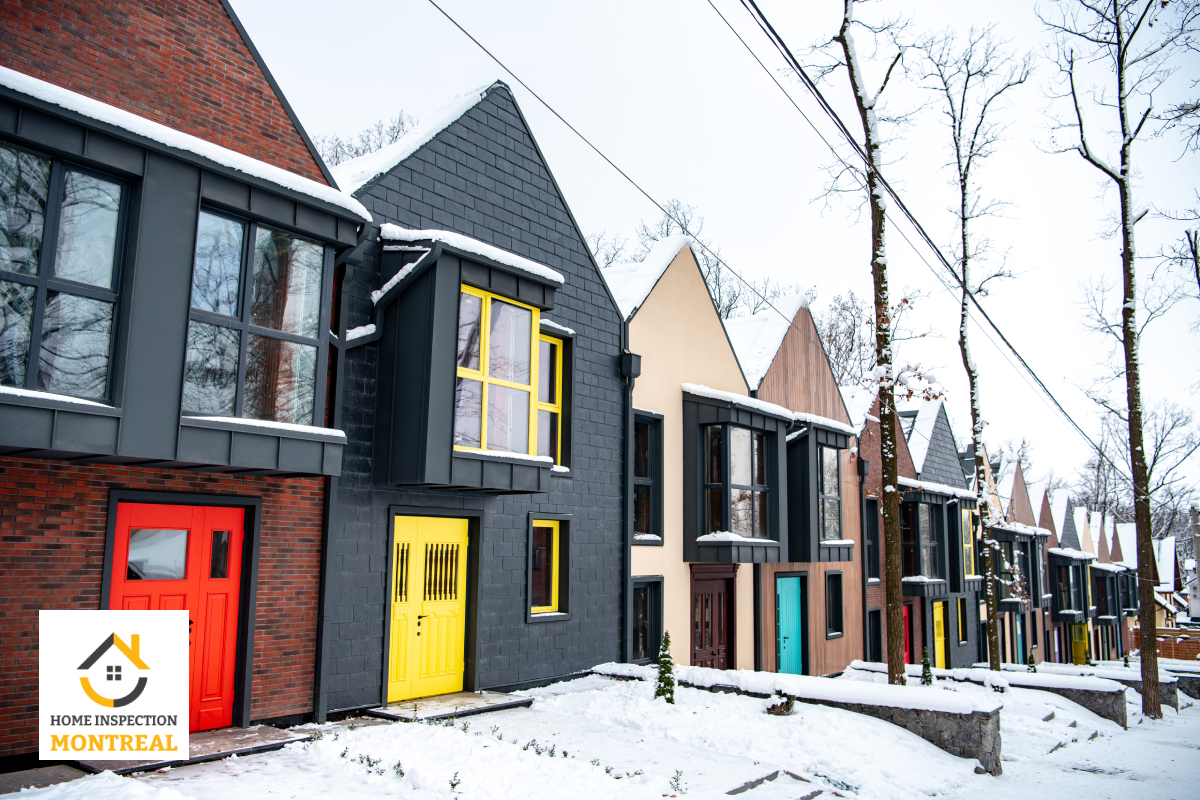

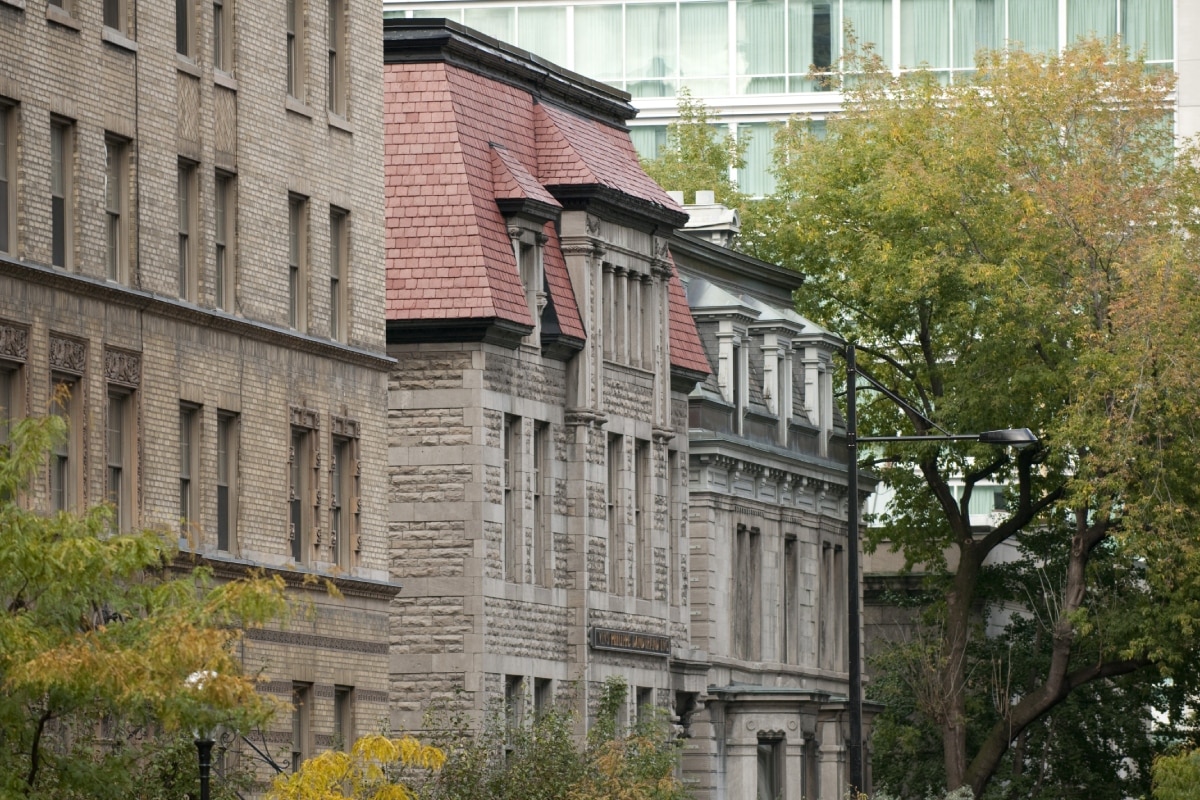
A home inspection in Montreal rarely turns up random problems. What an inspector finds depends heavily on when the home was built and where it stands. A 1915 triplex in the Plateau, a 1968 bungalow in Dollard-des-Ormeaux, and a 2010 condo in Griffintown each has its own typical findings.
This guide groups the problems Montreal-area inspectors see most often by home type and era, then covers the local issues that catch buyers off guard, such as lead water service lines, backwater valves, and Pyrite. Home Inspection Montreal offers inspections performed by Farzin Sedaghat, an RBQ-certified residential building inspector (certificate 5888-0246-T1) who follows the APCHQ Standard of Practice.
A pre-purchase inspection is a visual review of the accessible parts of a home. It cannot see inside walls or under slabs, so many of the items below are reported as warning signs, with a recommendation to call the right specialist. Knowing what is common for your type of home helps you read that report with confidence.
Pre-1950 Plexes and Row Houses
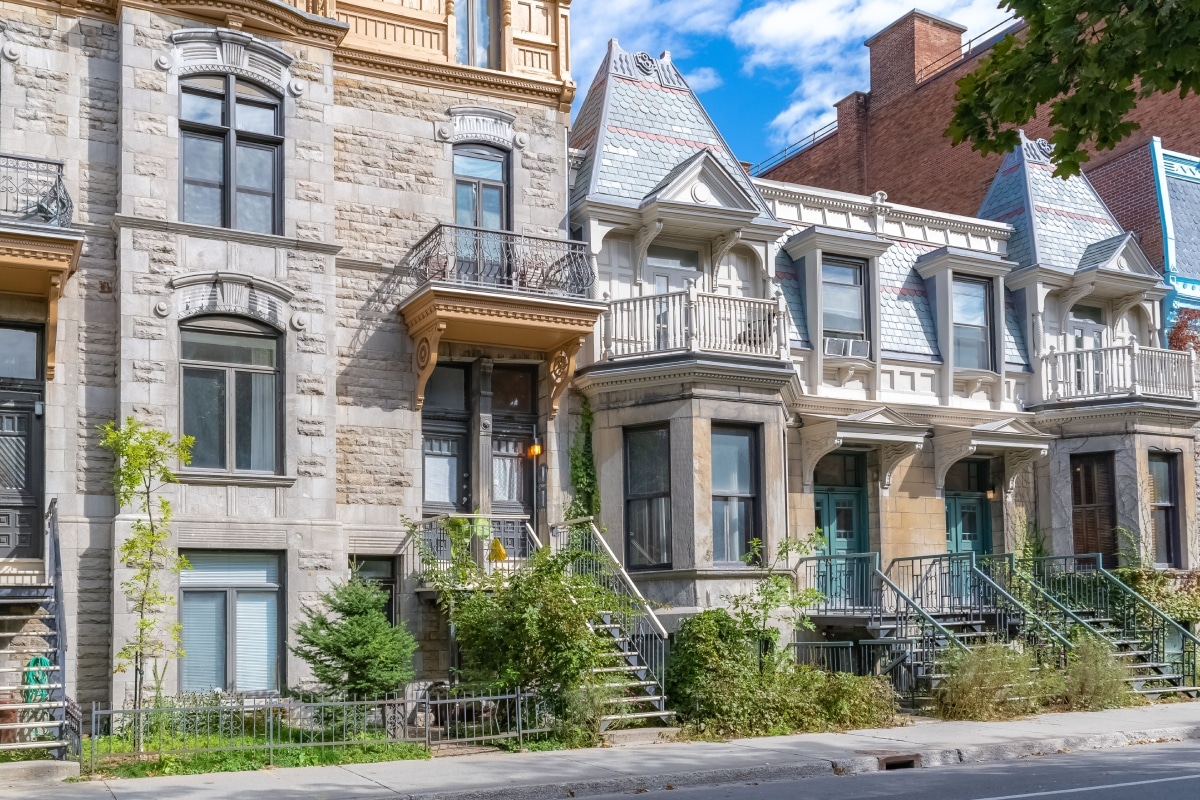
Montreal’s duplexes and triplexes, with their outdoor staircases and flat roofs, define neighborhoods like the Plateau, Rosemont, Villeray, Verdun and Pointe-Saint-Charles. They have character, but most have been renovated many times over a century, often in pieces.
Flat Roofs and Parapets
Most plexes have a flat roof with a membrane, roof drains, and brick parapets. Inspectors often note ponding water, worn membranes, blocked drains, and cracked or loose parapet bricks. The roof is also where many interior leaks begin, so stains on top-floor ceilings are worth a close look. See what the roof inspection covers.
Exterior Staircases and Balconies
The iconic spiral and straight outdoor stairs face freeze-thaw cycles, salt, and snow every winter. Common findings include rusted steel stringers, rotted wood treads, loose railings, and balconies pulling away from the facade. These are safety items, and repairs can be costly, so they matter in your negotiation. Learn more about the exterior inspection.
Knob and Tube and Older Electrical
Knob-and-tube wiring was common in Quebec homes built up to about 1950. It has no ground, its insulation can deteriorate, and many insurers will not cover a home where it is still active. Inspectors look for ceramic knobs in the basement or attic, old fuse panels, and a mix of old and new wiring. If any is visible, the report will recommend an evaluation by a licensed electrician. See our electrical inspection page.
Old Drain Pipes and Missing Foundation Drains
Homes built before about 1960 often have galvanized steel or cast iron pipes with a typical lifespan of 40 to 50 years, and older homes may have no foundation drain at all. Inspectors look for rust, leaks at joints, slow drains, and damp basement walls. A sewer camera inspection by a plumber is the usual next step. Read about our plumbing inspection.
Multiple Units Mean Multiple Systems
In a plex, each unit has its own kitchen, bathroom, electrical service, and often its own heating. DuProprio notes that each unit is inspected separately, so a plex inspection takes longer than a single-family home. Plan for a longer visit and access to every unit, including tenant-occupied ones.
1950s to 1970s Bungalows and Split-Levels
Postwar suburbs fill much of the West Island, Laval, Ahuntsic-Cartierville, Saint-Léonard and the older parts of the South Shore. These homes are generally solid, but many still have original components that have reached the end of their life.
- Aluminum branch wiring. Single-strand aluminum wiring was sometimes used from 1965 to 1973. Inspectors note it when visible at the panel or outlets and refer you to an electrician.
- Original windows and doors. Failed seals, drafts, and rotted frames are common in homes that still have their 1960s windows.
- Attic insulation and ventilation. Thin insulation, blocked soffit vents, and bathroom fans that vent into the attic can cause ice damming and moisture. See the insulation and ventilation inspection.
- Aging heating systems. Older furnaces, heat pumps past their service life, and worn electric baseboards are frequent findings. See the heating and cooling inspection.
- Basement moisture. Efflorescence, cracks, and musty smells point to drainage or grading problems around the foundation.
Newer Condos and Townhouses
New does not mean problem-free. In condos built over the last 20 years, inspectors often find caulking and sealant failures at windows, poor bathroom exhaust, condensation on window frames in winter, and finishing defects. Because the common portions belong to the syndicate, the documents matter as much as the unit. Our posts on why you should get a condo inspection before purchasing and how Bill 16 affects condo inspections cover this in detail.
Five Montreal Issues That Surprise Buyers
Lead Water Service Lines
The City of Montreal says buildings with eight dwellings or fewer built before 1970 may still be supplied by a lead water service line. The city estimates these lines affect 16 of its 19 boroughs, and the OACIQ notes the city’s plan to eliminate them by 2030. The private section of the line is the owner’s responsibility.
 An inspector can only see the short length of pipe where it enters the basement. If it looks like lead, the report will say so. Before you buy, look up the address on the city’s map of lead service lines.
Backwater Valves
Sewer backups during heavy summer storms are a real risk in Montreal basements. A municipal by-law has made a check valve mandatory on the sewer line of all new buildings in Montreal since 2011, and suburbs such as Pointe-Claire also require owners to have one. Older homes often have no valve, or one that is buried and impossible to maintain. The inspector will note whether a valve is visible and accessible. Ask the seller about past backups, and check with your insurer about sewer backup coverage.
Pyrite in the East End and on the South Shore
Pyrite in the backfill under a basement slab can swell and crack the slab and foundation. The OACIQ reports cases in Rivière-des-Prairies and Pointe-aux-Trembles, as well as across Montérégie. A visual inspection can spot warning signs such as a heaved slab, but only a laboratory test can confirm Pyrite. Buyers in Longueuil, Brossard and Châteauguay should ask the seller for any existing test results.
Clay Soils and Foundation Movement
DuProprio points out that some Montreal neighborhoods have clay soils, which can shrink in dry summers and cause foundations to settle. Inspectors look for stair-step cracks in brick, sloping floors, sticking doors, and gaps around windows. If the signs point to active movement, the report will recommend a structural engineer. See our structure inspection page.
Renovations Done Without Permits
A beautiful kitchen or a finished basement can hide shortcuts. RE/MAX Québec notes that an inspection can reveal signs of work done without a permit or installed incorrectly. Common examples in Montreal include basement bedrooms without proper egress windows, DIY electrical in finished basements, and bathrooms without exhaust fans. Ask the seller for permits and invoices, and check with the borough if something looks off.
What a Finding Means for Your Purchase
A long list of findings does not mean a bad house. Every older Montreal home will have items to repair. What matters is separating safety issues and costly repairs, such as active water entry, structural movement, or unsafe wiring, from normal wear and routine maintenance.
Centris is clear that the inspector does not decide whether you should buy. The decision is yours, and your broker can help you weigh the findings, get repair quotes, and negotiate within your inspection deadline. The OACIQ suggests that, in some cases, asking for a price reduction can work better than asking the seller to do repairs.
Frequently Asked Questions
Does the seller’s declaration replace an inspection?
No. The seller’s declaration only covers what the seller knows. An inspection gives you an independent look at the home’s visible condition, and the two documents work best together.
Should I still inspect a home sold without the legal warranty?
Yes, even more so. When a home is sold without the legal warranty of quality, the buyer carries the risk of hidden defects. The OACIQ says brokers must insist on a detailed pre-purchase inspection in that situation, and the inspector must be told about the exclusion.
Does the inspector check the pool, spa, or sewer line?
No. Pools, spas, and the buried sewer line are outside the scope of a standard building inspection. If the report notes signs of drain problems, a plumber’s camera inspection of the sewer line is the usual next step.
Can the inspector confirm whether my water line is lead?
Only partly. The inspector can note the visible pipe where the line enters the basement. The City of Montreal’s online map and screening program are the reliable way to confirm it.
Is a plex inspection more expensive?
Usually, yes. Each unit has its own systems, so a duplex or triplex takes longer than a single-family home. See our guide on what a home inspection costs in Montreal.
Do I need access to tenant-occupied units?
Yes. Every unit should be inspected, so ask the seller to arrange access to all units, including any rented ones, before inspection day.
Is a newly renovated home safe to skip?
No. Fresh finishes can hide older problems underneath, and renovations themselves can introduce new defects. A recent renovation is a reason to ask for permits and invoices, not a reason to skip the pre-purchase inspection.
Local Inspections Across Greater Montreal
Home Inspection Montreal performs pre-purchase, pre-sale, and walk-through inspections on plexes, single-family homes, and condos across the Island of Montreal, the West Island and Central Montreal, Laval, the North Shore, the South Shore, and Vaudreuil-Soulanges. Areas we serve include Montreal, Outremont, Ahuntsic-Cartierville, Pointe-Claire, Dollard-des-Ormeaux, Laval, Repentigny, Longueuil and Vaudreuil-Dorion. See every location on our service areas page.
Selling first? A pre-sale inspection shows you these issues before buyers do. Closing soon? A walk-through inspection confirms nothing has changed before you sign at the notary.
Book an Inspector Who Knows Montreal Homes
Get a signed written report with photos, usually within 24 to 48 hours, from an RBQ-certified inspector who follows the APCHQ Standard of Practice. Call (514) 561-4515 or request a quote online.
Home Inspection Montreal
5260 Rue Riviera, #301
Montréal, QC H8Z 3H2
Canada
Phone: (514) 561-4515
Email: info@homeinspectionmontrealca.com
Hours: Monday to Sunday, 8 AM to 8 PM
Disclaimer: This article is for general information only and is not legal advice. For questions about your promise to purchase, the legal warranty of quality, or municipal by-laws, consult your real estate broker, notary, or borough.
References
- City of Montreal, Why replace lead service lines?
- City of Montreal, How to recognize a lead water service line
- City of Montreal, Map of lead service lines
- City of Montreal, Check valves are the key to preventing sewer backups
- City of Pointe-Claire, Backflow prevention valve
- OACIQ, Contamination of water by lead
- OACIQ, Pyrite or pyrrhotite in a transaction
- OACIQ, Building inspection and the broker’s responsibilities
- OACIQ, An inspection protects you
- Centris, Home inspection myths to debunk before buying (French)
- DuProprio, Home inspection cost in Quebec
- DuProprio, Hidden defects
- Sonnet, Buying an older home in Quebec
- Soumission Rénovation, Inspecting an old house
- RE/MAX Québec, What an inspector sees that you might miss